

Heat pumps in Northern Ireland: what you need to know
Heat pumps are becoming more common in Northern Ireland, especially in oil-heated and newer homes. Here is how they work, which homes suit them, where grants stand in 2026, and what servicing involves.
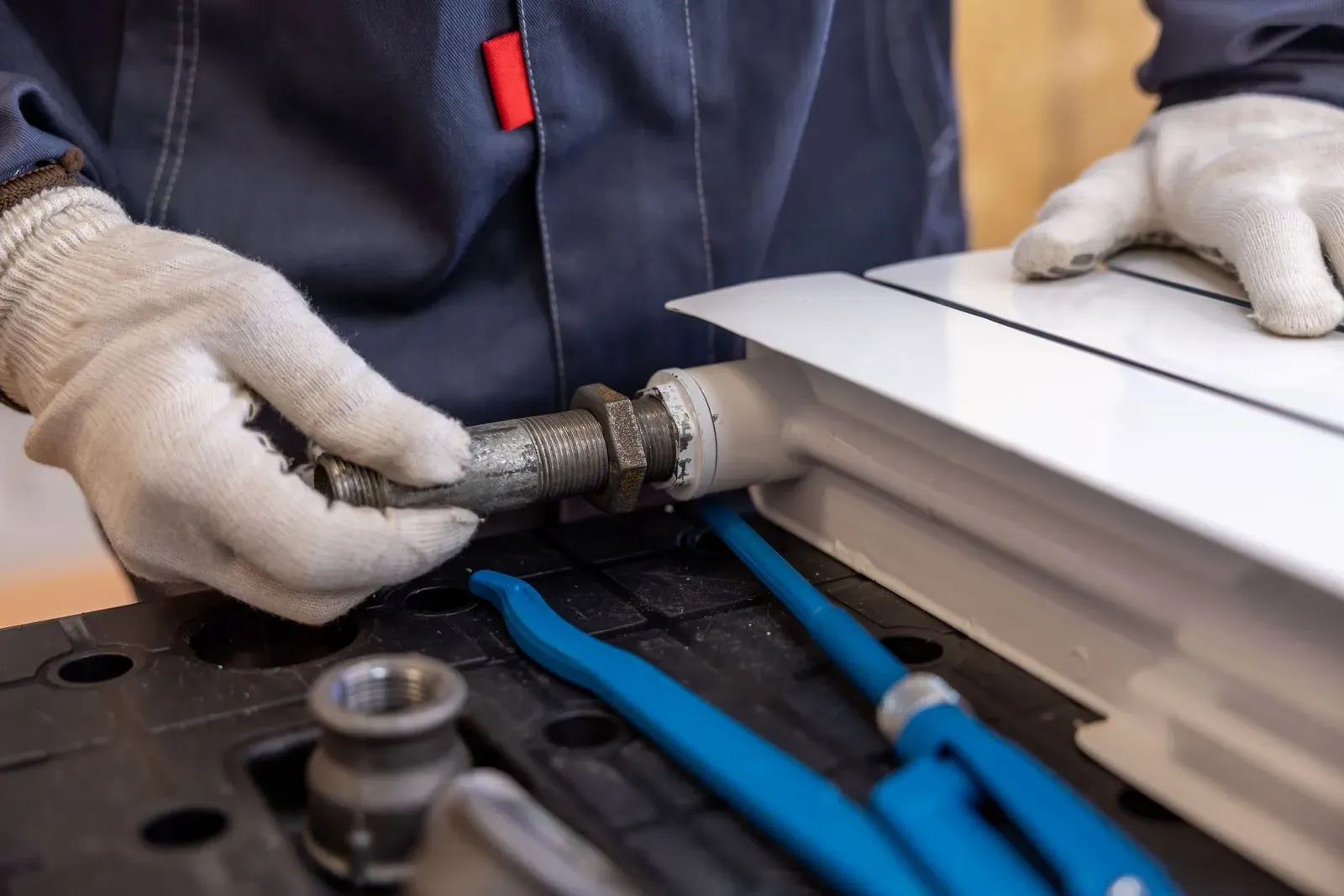
How a heat pump works
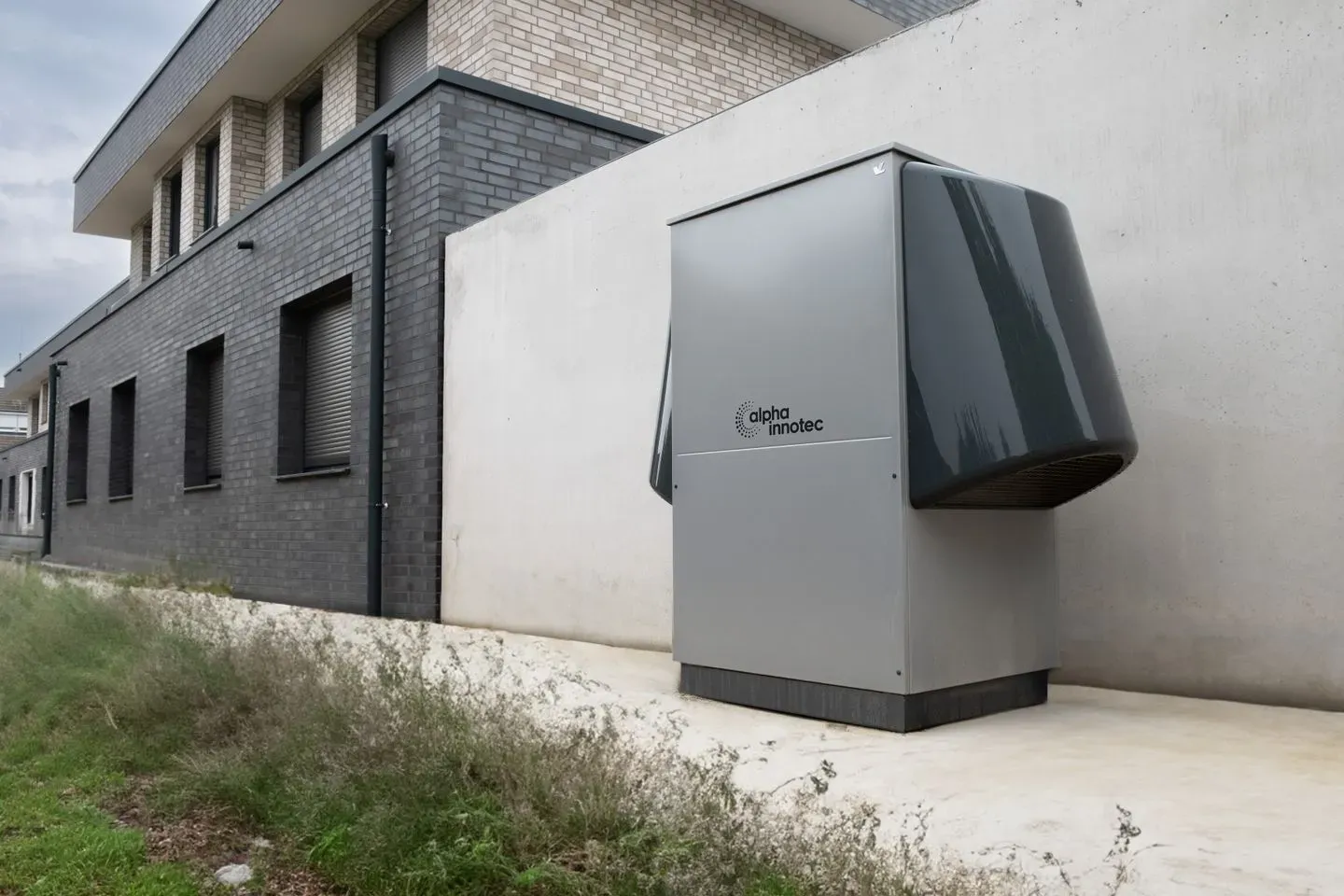
A heat pump moves heat rather than making it by burning fuel. An air source heat pump, the most common type, takes heat from the outside air, even on a cold day, and uses a refrigerant circuit and compressor to raise it to a temperature that can heat your radiators and hot water.
A ground source heat pump does the same using pipes buried in the ground, which stays at a steadier temperature. It costs more to install and needs land.
Because a heat pump moves heat, it can deliver several units of heat for each unit of electricity it uses. How many depends on the outside temperature, how hot the water needs to be, and how well the system has been designed.
Which homes suit a heat pump?
Heat pumps work best when they can heat the house with water at a lower temperature than a boiler typically uses. That means:
- good insulation: loft, walls and windows;
- radiators sized for lower temperatures, or underfloor heating;
- space outside for the unit and inside for a hot water cylinder;
- a proper heat loss calculation before anything is sized.
Newer homes and well-insulated older homes often suit them well. Draughty older homes may need insulation work first, or a heat pump may not be the right choice yet.
In Northern Ireland, homes on oil and away from the gas network are often the ones considering heat pumps, as the alternatives are another oil boiler or LPG.
Grants and support in Northern Ireland (2026)
This is where Northern Ireland differs from the rest of the UK.
- Boiler Upgrade Scheme: this grant for heat pumps covers England and Wales only. It does not apply in Northern Ireland. Some websites wrongly suggest otherwise.
- Department for the Economy scheme (in development): in January 2026, the Department for the Economy published its response to a consultation on low carbon heating support for homes. It says the next steps are consulting on financial options and a high-level scheme design during 2026, then legislation the following year, before launch. No launch date has been given. Source: https://www.economy-ni.gov.uk/news/minister-publishes-response-consultation-low-carbon-heating-support
- Income-based help: schemes such as Affordable Warmth and some Northern Ireland Sustainable Energy Programme schemes have included heating measures for qualifying households. Check current eligibility on the official pages.
To confirm: verify whether any 2026/27 NISEP scheme funds air source heat pumps for owner-occupiers, and link it
If you are in the Republic of Ireland, SEAI grants apply instead, and they are different again.
Running costs: heat pump versus oil and gas
There is no universal answer. It depends on:
- the price of electricity versus oil or gas at the time;
- the heat pump’s efficiency in your home, which depends on design and insulation;
- whether you have a tariff or solar panels that lower electricity costs;
- how you use the heating.
A well-designed heat pump in a well-insulated home can be competitive with oil, and lower carbon. A badly designed one in a draughty house can cost more to run than the oil boiler it replaced. Ask any installer for a running cost estimate based on a room-by-room heat loss calculation, not a rule of thumb.
Living with a heat pump
Heat pumps are run differently from boilers:
- they work best running steadily at a lower temperature, rather than blasting heat for an hour in the morning and evening;
- radiators feel warm rather than hot, which is normal;
- hot water comes from a cylinder, heated on a schedule;
- the outdoor unit makes some noise, like a fan, and may run a defrost cycle in cold, damp weather.
Getting the settings right in the first few weeks makes a big difference to running costs.
Servicing a heat pump
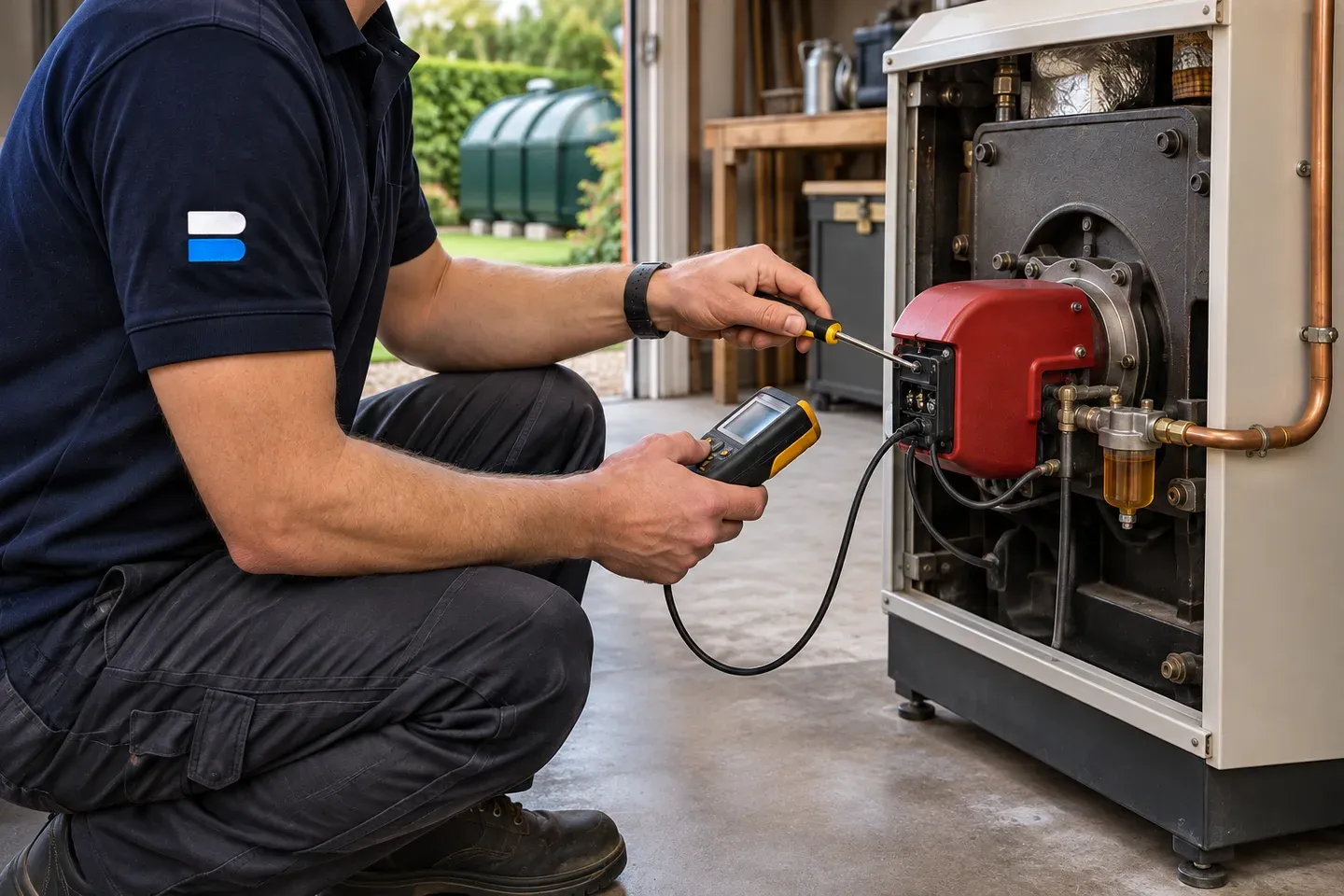
A heat pump does not burn fuel, so there is no combustion to test, but it still needs an annual check. A typical heat pump service covers:
- cleaning the outdoor coil and clearing leaves and debris;
- checking the fan, electrical connections and controls;
- checking system pressure, filters and flow rates;
- checking for signs of refrigerant leaks;
- checking the hot water cylinder and its safety devices;
- reviewing settings and performance.
Manufacturer guarantees on heat pumps usually require annual servicing. Check your guarantee terms.
Our heat pump service is £129, fixed and including VAT. See heat pump service.
Heat pump or new boiler?
If your boiler is old and you are weighing up options, read should you replace a 20-year-old boiler?. If you are near the gas network, compare with oil to gas conversion. And if grants would change your decision, check the current position on boiler replacement schemes in NI.
Book a heat pump service
£129 for an air source heat pump service. Book online or email [email protected].
Before we call round.
The details that make booking a little clearer.
Still stuck? Call.
Talk through your boiler, your service or your plan.
[email protected][email protected]Send us a messageIs there a heat pump grant in Northern Ireland?
Do heat pumps work in Northern Ireland's climate?
Is a heat pump cheaper to run than oil?
Do heat pumps need servicing?
A question for your next service?
Choose your service and a preferred arrival window. We confirm your exact slot by phone.