

Should you replace a 20-year-old boiler?
Age alone is not a reason to rip out a boiler. Safety, efficiency, parts and repair history are. Here is how to weigh up an old gas or oil boiler honestly, before anyone sells you a new one.
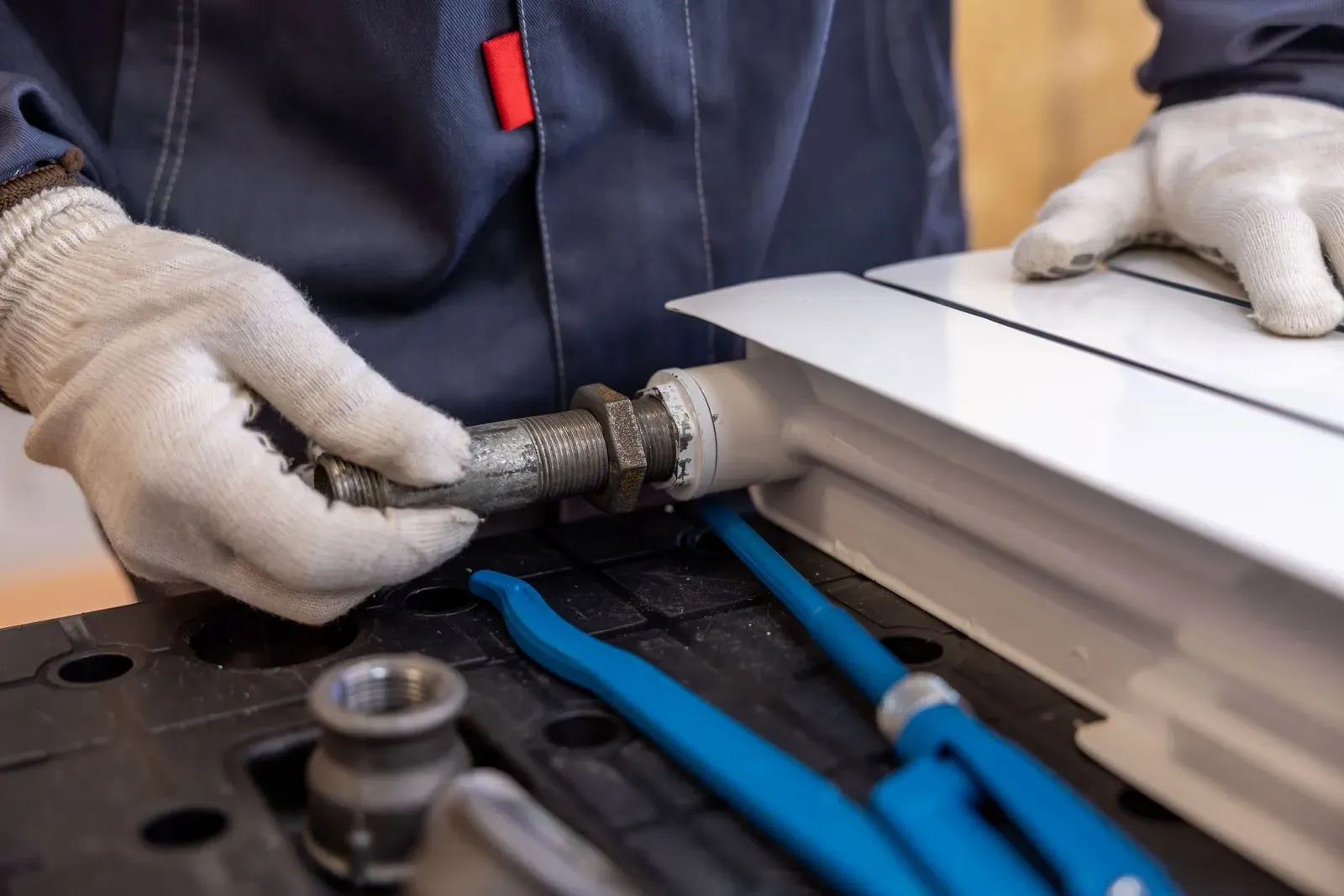
The honest answer
A 20-year-old boiler does not have an expiry date. Some are still burning cleanly and efficiently; others are tired, unsafe or impossible to get parts for. The question is not “how old is it?” but:
- Is it safe?
- How efficient is it, measured, not guessed?
- Can it still be repaired, at a sensible cost?
- How much would a replacement save you, and how long would that take to pay back?
1. Safety comes first
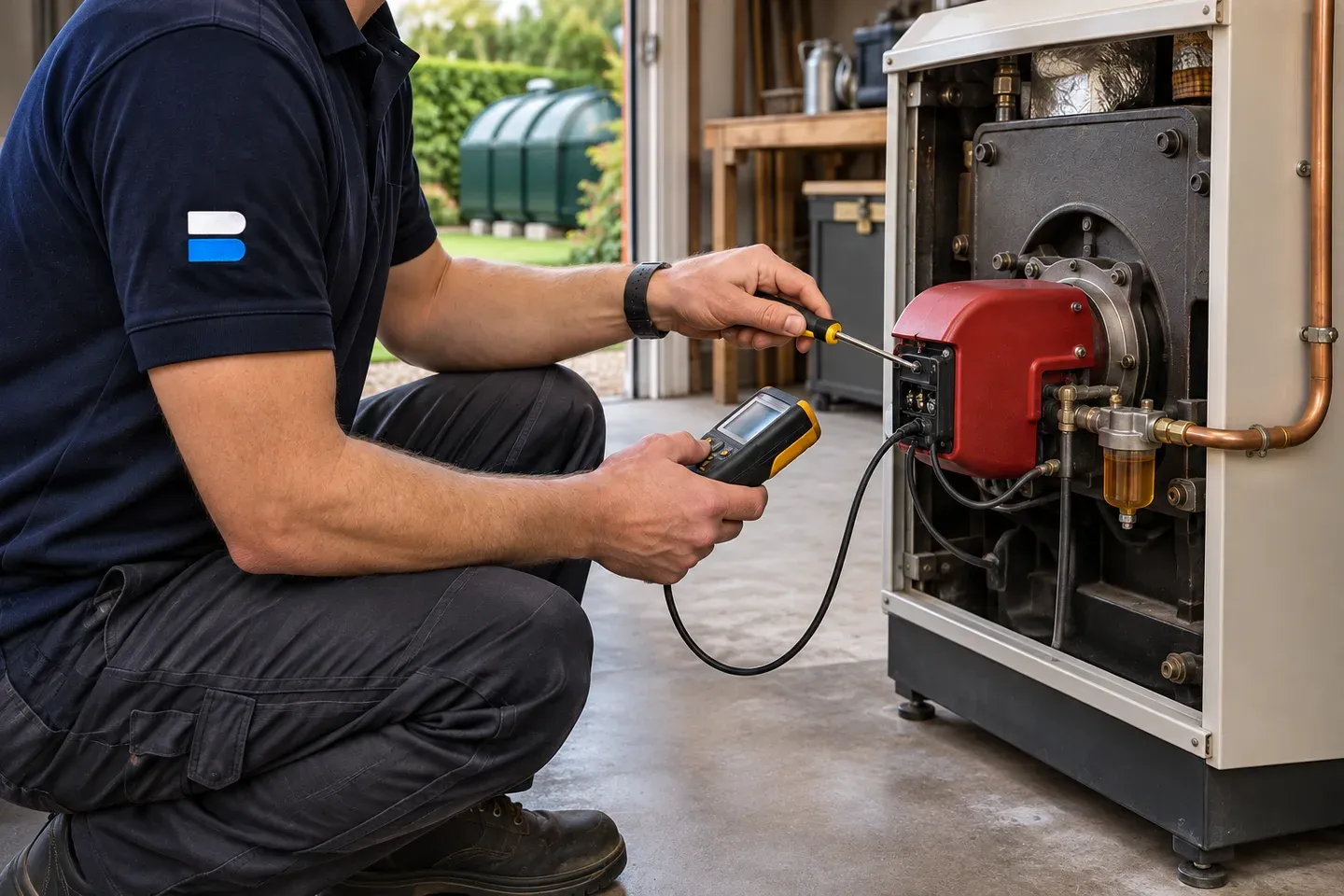
Any boiler, whatever its age, must be safe. On a service, an engineer checks combustion with a flue gas analyser, tests the safety devices and checks the flue. If a gas boiler is found to be unsafe, the engineer will follow the industry’s unsafe situations procedure, which can mean disconnecting it with your permission.
Warning signs between services:
- soot or staining around the boiler or flue;
- a yellow or lazy flame on gas boilers with a visible flame;
- smoke, fumes or an oil smell on oil boilers;
- a carbon monoxide alarm activating.
If you smell gas, call the NI Gas Emergency Service on 0800 002 001. For oil smoke or fumes, turn the boiler off and see oil boiler smoke or smell.
2. Efficiency: measure it
Most boilers fitted around 20 years ago are non-condensing. Modern boilers are condensing: they recover heat from the flue gases that older boilers send up the flue. That is where most of the efficiency difference comes from.
But real-world efficiency depends on condition, not just design. A combustion test on a service gives a reading on the day. An old oil boiler with a new nozzle and a clean heat exchanger can perform far better than one that has missed several services.
So before deciding, get a proper service with the readings recorded. That gives you a number to work with.
3. Repairs and parts
Older boilers become harder to repair, for two reasons:
- Parts availability. Manufacturers stop making parts for older models. Once a key part is unavailable, the next failure can be the last.
- Cost of the failure. A small part like a thermocouple or an oil nozzle is cheap. A heat exchanger, the most expensive component, often is not worth replacing on an old boiler.
A useful rule of thumb many engineers use: if a single repair costs a meaningful share of a new boiler, and the boiler is already old, replacement deserves a serious look. Ask your engineer whether parts for your model are still available, and what they would expect to fail next.
4. Running costs and payback
A new condensing boiler will usually use less fuel than an old non-condensing one, but the saving depends on:
- how inefficient the old one actually is (see point 2);
- how much heating and hot water you use;
- fuel prices, which move;
- whether the new boiler is installed and set up properly, with good controls.
Be wary of very confident savings figures. Ask any installer to explain how they calculated them for your home.
Signs it is time to replace
- the boiler has been condemned as unsafe and cannot be put right economically;
- the heat exchanger has failed or is leaking;
- key parts are no longer available;
- breakdowns are becoming regular, and repair bills are adding up;
- the combustion readings are poor even after servicing;
- you are changing your system anyway: converting from oil to gas, extending the house, or adding a heat pump.
Signs it is fine to keep it going
- it is safe and the combustion readings are good after a service;
- it rarely breaks down;
- parts are still available;
- you would struggle to justify the cost of replacement right now.
In that case, keep it serviced every year, set money aside for its replacement, and plan the change for a time that suits you rather than a winter breakdown.
Oil boilers in Northern Ireland
Many old boilers in Northern Ireland are oil. A few extra points apply:
- The tank matters too. An old tank in poor condition can be a bigger risk than the boiler. Get it looked at on the oil service.
- Gas may be an option. If a gas main is nearby, compare a new oil boiler with converting. See oil to gas conversion.
- Heat pumps are worth considering in some homes, especially well-insulated ones. See heat pumps in Northern Ireland.
- Grants: the NI Boiler Replacement Scheme closed in 2023. See boiler replacement scheme NI for what help exists now.
Is replacing a boiler a big job?
A like-for-like replacement in the same place is usually a day or two of work. Changing the type (for example, from a regular boiler with a hot water tank to a combi), moving the boiler, or switching fuel takes longer. A good installation should include a system clean, an inhibitor, new controls, the building regulations paperwork, and registering the boiler with the manufacturer so the guarantee starts.
Get an honest assessment
The cheapest way to decide is to get the boiler serviced properly and ask the engineer straight. We record the combustion readings, check the main components and tell you whether we think it is worth keeping.
To confirm: confirm whether Blueprint offers boiler replacement; if yes, add a line on how to get a replacement quote
Gas service £79, oil service £89, repair visit £85 for the first hour. Book online or email [email protected].
Before we call round.
The details that make booking a little clearer.
Still stuck? Call.
Talk through your boiler, your service or your plan.
[email protected][email protected]Send us a messageDoes a 20-year-old boiler need replacing?
How long does a boiler last?
Is it worth replacing a 10-year-old boiler?
Is replacing a boiler a big job?
What is the most expensive part of a boiler?
A question for your next service?
Choose your service and a preferred arrival window. We confirm your exact slot by phone.